
The Psychology of Casino Design
The design of casinos is not merely about aesthetics; it serves as a strategic component that utilizes psychological principles to draw players in. Elements such as colors, lighting, and layouts play pivotal roles in shaping emotions and influencing decisions. Bright colors like red and gold are often favored because they evoke excitement and a sense of luxury, prompting players to immerse themselves deeper into the environment. In addition, those interested in integrating entertainment with their betting experience often turn to online sports betting canada , which adds another layer of thrill and allure, encouraging visitors to invest more time and money at gaming tables and machines.
Moreover, the layout of a casino is meticulously crafted to instill a sense of discovery and exploration. Navigating through a labyrinth of slot machines and gaming tables creates an immersive experience that feels boundless. This design strategy taps into a player’s curiosity and the excitement of chance, making it increasingly challenging for them to leave as they continuously encounter new games and enticing opportunities. The winding pathways and secluded corners foster an atmosphere where players feel they might stumble upon a winning chance at any moment.
Additionally, casino designers integrate sensory elements, such as sound effects, to amplify the atmosphere. The jingling of coins, the cheers of winners, and upbeat music serve as auditory stimuli that enhance the excitement within these spaces. This potent combination of visual and auditory cues plays a crucial role in engaging players, immersing them in a heightened emotional state that compels them to participate more actively in games and prolong their stay in the casino.
The Role of Themes and Ambiance
Casinos often adopt thematic designs that transport players to different worlds, enriching the overall experience and making it more memorable. Themes can range from glamorous settings reminiscent of iconic cities to exotic landscapes inspired by far-off destinations. These thematic choices create an immersive environment that stimulates players’ imaginations, providing an escape from the ordinary. For example, a casino designed with an underwater theme might incorporate blue hues, aquatic sounds, and decor featuring marine life, crafting a tranquil yet exhilarating ambiance.
The ambiance established through theme-based design also helps cultivate a specific target audience. By appealing to particular demographics—whether they seek luxury, adventure, or cultural richness—casinos can attract players who are more likely to enjoy and engage with what’s on offer. This strategic alignment of design with audience preferences not only enhances the gaming experience but also promotes loyalty and repeat visits, as players often return to spaces that resonate with their ideals and tastes.
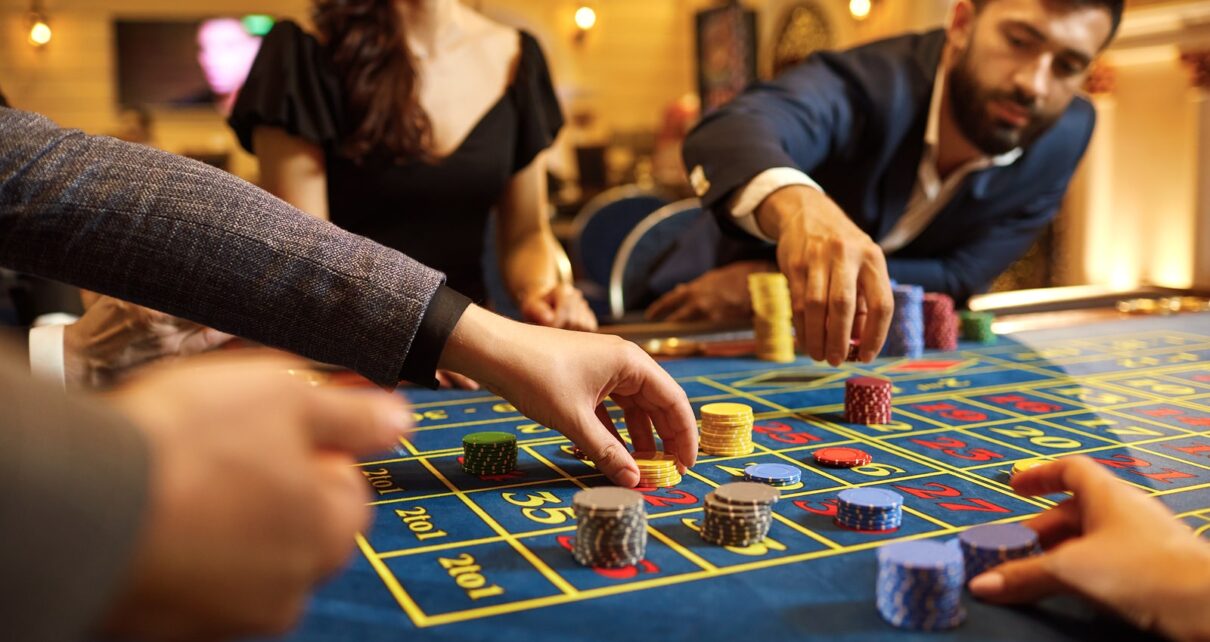
Furthermore, the atmosphere created by thematic designs extends beyond mere visual appeal; it incorporates elements of storytelling. Each aspect of the design contributes to a narrative that envelops players, making them feel as though they are part of a larger story. Such storytelling elements can foster deeper emotional connections, encouraging players to associate positive experiences with the casino, thereby increasing the likelihood of them returning or recommending it to others.
The Impact of Layout and Flow
Layout and flow are essential components of casino design that significantly influence player behavior and engagement. A well-thought-out layout minimizes barriers and maximizes visibility, allowing players to easily access their preferred games. This strategic arrangement often clusters popular games together while also providing diverse options to cater to different preferences. By ensuring that players can easily locate and approach their desired games, casinos effectively enhance the overall experience and, ultimately, the amount of time spent gambling.
Moreover, the flow of movement is intentionally designed to guide players toward high-traffic areas of the casino, like bars and restaurants, creating opportunities for breaks and social interactions. This design encourages players to gather in communal spaces, fostering a sense of camaraderie and enjoyment. The more integrated and inviting these social spaces are, the more likely players are to extend their visit, thereby increasing their likelihood of further gambling.
Ultimately, the layout seeks to create a seamless journey through the casino, encouraging players to engage in various activities. This strategic flow not only enhances the gaming experience but also maximizes revenue potential through extended player engagement. By carefully considering how players navigate the space, casinos can influence the duration and intensity of their visits, ultimately leading to higher profits.
The Influence of Lighting and Sounds
Lighting is a crucial element in the overall design of a casino, as it can significantly impact mood and behavior. Soft lighting in certain areas can create a calming environment, while brighter lights can stimulate excitement around gaming machines and tables. This contrast not only draws attention to areas where players are actively gambling but also enhances the visual allure of the games themselves. The strategic use of lighting can elevate the experience, making players feel more alive and engaged within the gaming atmosphere.

Moreover, sound is another critical element that complements the visual aspects of casino design. The integration of music, game sound effects, and the ambient noise of cheers and laughter creates an exhilarating environment that heightens emotional responses. This dual sensory experience encourages players to stay longer, as they feel a sense of belonging and excitement, akin to being swept up in a vibrant social scene. The rhythmic sounds of slot machines and the celebratory noises of winners contribute to a feedback loop that reinforces continued play.
In conclusion, the careful manipulation of both lighting and sound amplifies the persuasive capabilities of a casino’s design. Together, they form a powerful synergy that shapes player experiences and encourages gambling behaviors. This orchestration of sensory elements is not merely about entertainment; it is a calculated strategy aimed at maximizing engagement and, ultimately, profitability for the casino.
Understanding Casino Design through Online Platforms
As the landscape of gaming evolves, online casinos have begun to embrace design principles similar to those of their physical counterparts. These digital platforms employ strategic designs to effectively entice players, ensuring that the online experience is just as immersive as a traditional casino. Elements such as vivid graphics, interactive features, and user-friendly interfaces are crucial in attracting players within a crowded virtual market. The design of online casinos must engage users from the moment they enter the site, capturing their attention and encouraging exploration of the available games.
Furthermore, online casinos create themes and narratives within their games to foster a sense of immersion. By developing visually stimulating games that incorporate storytelling and dynamic elements, they elevate the player’s experience, much like physical casinos. The inclusion of vibrant colors, engaging sounds, and seamless animations enhances user engagement, encouraging players to return and explore further. This emphasis on design not only captivates users but also aids in building brand loyalty within the competitive online gambling environment.
Ultimately, understanding the significance of design in both physical and online casinos highlights the importance of crafting engaging experiences for players. By carefully considering the elements that attract players, these platforms can create environments that encourage longer play and enhance overall satisfaction. As technology continues to advance, casino operators must remain vigilant in understanding design’s evolving role in driving player engagement and revenue.